
Escape the ordinary and discover the allure of exotic beach destinations. These aren’t your typical tourist hotspots; they’re secluded havens boasting unique landscapes, vibrant cultures, and unparalleled natural beauty. From hidden coves to pristine stretches of sand, these destinations offer a transformative travel experience, blending adventure with relaxation. This guide delves into the defining characteristics of exotic beaches, explores their global distribution, and provides practical advice for planning your own unforgettable getaway.
We’ll examine what makes a beach truly “exotic,” considering factors such as remoteness, cultural significance, and the unique activities and wildlife encounters they offer. We’ll also address the crucial aspect of sustainable tourism, ensuring these precious environments are preserved for generations to come. Prepare to be inspired as we unveil a world of breathtaking beaches waiting to be explored.
Defining “Exotic Beach Destinations”
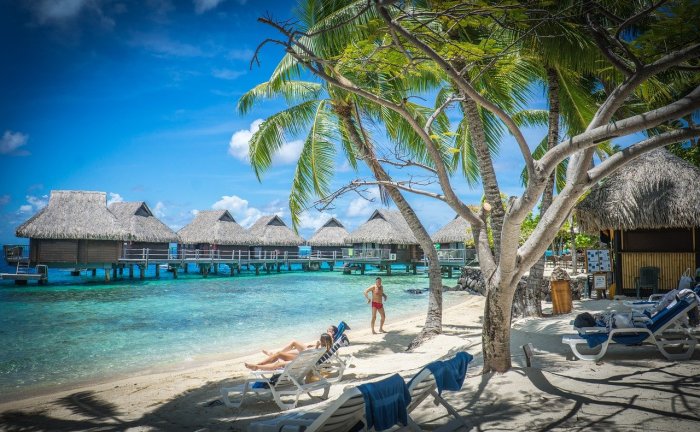
The term “exotic beach destination” evokes images of pristine sands, turquoise waters, and lush landscapes far removed from the ordinary. However, the precise definition remains elusive, shaped by individual perceptions and experiences. Defining what constitutes an “exotic” beach involves a complex interplay of geographical remoteness, unique environmental features, cultural significance, and the accessibility (or inaccessibility) of the location.Defining “exotic” as it relates to beach destinations requires acknowledging its subjective nature.
What one person considers exotic, another might find commonplace. For instance, a remote Pacific island with limited infrastructure might be considered highly exotic by a frequent traveler accustomed to all-inclusive resorts, while a seasoned adventurer might find it relatively accessible and lacking in unique characteristics compared to a more challenging, less-developed location. This subjective element significantly influences how we perceive and categorize these destinations.
Factors Contributing to the Perception of Exotic Beaches
Several key factors contribute to a beach destination’s classification as “exotic.” Remoteness plays a crucial role, often implying a journey requiring significant effort and time to reach. Unique landscapes, such as dramatic cliffs, unusual rock formations, or vibrant coral reefs, add to the sense of otherworldliness. The presence of distinct cultural traditions, unique flora and fauna, and a palpable sense of authenticity further enhance the exotic appeal.
Accessibility, or rather the lack thereof, also plays a significant part; limited infrastructure, challenging terrain, and the need for specialized travel arrangements can contribute to the perceived exclusivity and allure of an exotic location. In contrast, easily accessible beaches with plentiful amenities tend to be classified as more “typical” beach destinations.
Comparing and Contrasting Interpretations of “Exotic”
The interpretation of “exotic” is highly dependent on individual experiences and cultural backgrounds. A traveler from a densely populated urban area might find a secluded beach in Southeast Asia vastly different from their everyday life, thus deeming it “exotic.” However, a resident of a nearby coastal village might view the same beach as a familiar, even ordinary, location.
Similarly, the level of development influences perception. A beach with limited infrastructure might be deemed exotic by those accustomed to developed resorts, while someone who enjoys rustic settings might find it less exceptional. The contrast lies in the level of familiarity and the expectation of the traveler. Ultimately, the “exotic” label is a relative one, shaped by individual perspectives and comparative experiences.
Key Distinctions Between Exotic and Typical Beach Destinations
Exotic beach destinations often stand apart from typical ones through their inherent remoteness, unique natural beauty, and rich cultural heritage. Typical beach destinations, on the other hand, are often characterized by readily available amenities, developed infrastructure, and easy accessibility. While both offer opportunities for relaxation and recreation, the experience differs significantly. Exotic destinations offer a sense of adventure, immersion in a different culture, and a chance to encounter unique flora and fauna, while typical destinations often focus on convenience, comfort, and readily available recreational activities.
The level of human intervention and development clearly distinguishes these two categories.
Geographic Distribution of Exotic Beach Destinations
Exotic beach destinations are not randomly scattered across the globe; rather, their distribution is influenced by a complex interplay of geographical factors such as climate, geology, and ocean currents. Understanding this distribution helps travelers plan their perfect escape and appreciate the unique characteristics of each region.
The concentration of these idyllic locations is largely determined by tropical and subtropical climates, which provide the warm waters and consistent sunshine essential for the development of thriving coral reefs and diverse marine life. These conditions, combined with stunning coastlines, create the quintessential image of an exotic beach. However, even within these broad climatic zones, significant variations exist, resulting in a rich diversity of beach experiences.
Global Regions with Exotic Beaches
Several regions globally are renowned for their exceptional exotic beaches. The following table categorizes these areas, providing insights into their key features and accessibility.
| Region | Country Examples | Key Features | Accessibility |
|---|---|---|---|
| Southeast Asia | Thailand, Philippines, Vietnam, Malaysia | White sand beaches, vibrant coral reefs, lush jungles, diverse cultures | Generally good accessibility with numerous international airports and well-developed tourism infrastructure. |
| Caribbean | Bahamas, Barbados, Dominican Republic, Jamaica | Turquoise waters, white sand beaches, all-inclusive resorts, diverse water sports | Good accessibility, with many islands having international airports and a wide range of accommodation options. |
| South Pacific | Fiji, Tahiti, Bora Bora, Cook Islands | Overwater bungalows, volcanic landscapes, pristine coral reefs, secluded beaches | Accessibility can vary greatly depending on the island; some are easily accessible by air, while others require more complex travel arrangements. |
| Indian Ocean | Maldives, Seychelles, Mauritius | Luxury resorts, pristine beaches, diverse marine life, calm waters | Generally good accessibility with international airports and well-established tourism industries, although some islands may be more remote. |
| Mediterranean | Greece, Italy, Croatia, Spain | Ancient ruins, charming towns, crystal-clear waters, diverse culinary scenes | Excellent accessibility with numerous airports and well-developed transportation networks. |
Geographical Distribution Map
Imagine a world map. High concentrations of exotic beach destinations are clustered in the tropical and subtropical zones. A band stretching across Southeast Asia, encompassing the Philippines, Thailand, and parts of Vietnam and Malaysia, is one such region. Another significant cluster lies in the Caribbean, encompassing numerous islands. The South Pacific, including Fiji and Tahiti, forms a third major concentration.
The Indian Ocean, with the Maldives and Seychelles, represents a fourth significant cluster. Finally, the Mediterranean, with its coastlines spanning several countries, also boasts numerous exotic beaches, although its climate is slightly less tropical than the others. These regions share a common thread: tropical or subtropical climates, providing the warm waters and sunshine crucial for the formation of idyllic beaches.
Lesser-Known Exotic Beach Destinations
Beyond the well-trodden paths, numerous lesser-known destinations offer unique experiences. These locations often provide a more secluded and authentic experience compared to their more popular counterparts.
For example, the beaches of El Nido in Palawan, Philippines, are renowned for their stunning limestone cliffs and hidden lagoons. The remote islands of the Raja Ampat archipelago in Indonesia boast exceptional biodiversity and pristine underwater landscapes. Similarly, the beaches of Nosy Iranja in Madagascar offer a unique blend of white sand and vibrant coral reefs, largely untouched by mass tourism.
These lesser-known locations highlight the incredible diversity of exotic beach destinations worldwide, each offering a unique and memorable experience for travelers seeking something beyond the ordinary.
Activities and Experiences at Exotic Beach Destinations
Exotic beach destinations offer a diverse range of activities and experiences, catering to a wide spectrum of interests and preferences. From adrenaline-pumping water sports to tranquil cultural immersions, these locations provide opportunities for unique and unforgettable adventures. The combination of stunning natural beauty and rich cultural heritage creates an unparalleled travel experience.
Water-Based Activities
The ocean surrounding many exotic beaches is a playground for a multitude of water sports. Snorkelling and scuba diving are popular choices, offering glimpses into vibrant coral reefs teeming with colourful fish and other marine life. The warm, clear waters are ideal for swimming and sunbathing, while more adventurous travellers might try surfing, kitesurfing, or windsurfing, depending on the location and wave conditions.
For a more relaxed pace, kayaking or paddleboarding provides a unique perspective of the coastline and surrounding ecosystems. Deep-sea fishing charters are also common, offering the chance to catch a variety of species, depending on the location.
Land-Based Activities
Beyond the water, exotic beach destinations often boast a wealth of land-based activities. Hiking through lush rainforests, exploring hidden waterfalls, and visiting nearby towns and villages provide opportunities to experience the local culture and environment. Many locations offer guided tours, providing insights into the region’s history, flora, and fauna. Relaxing on the beach, enjoying the sunset, and indulging in delicious local cuisine are also integral parts of the experience.
Some locations offer opportunities for rock climbing or zip-lining through the jungle canopy, adding an element of adventure to the land-based activities.
Cultural Experiences
Exotic beach destinations are often steeped in rich cultural traditions. Many locations host vibrant festivals throughout the year, offering visitors a chance to witness unique ceremonies, music, dance, and cuisine. Interactions with local communities provide opportunities to learn about their customs, beliefs, and way of life. Visiting local markets, trying traditional foods, and learning a few phrases in the local language can enhance the cultural immersion.
For example, the vibrant colours and sounds of a traditional Fijian dance performance, or the intricate craftsmanship of handmade souvenirs from a Balinese artisan, offer profound cultural insights.
Wildlife Encounters
The biodiversity of exotic beach destinations is often remarkable. Depending on the location, visitors might encounter a variety of marine life while snorkelling or diving, including colourful coral fish, sea turtles, dolphins, and even whale sharks (in certain seasons and locations). On land, depending on the specific region, sightings of monkeys, exotic birds, lizards, and other animals are possible.
For instance, the Galapagos Islands are renowned for their unique wildlife, including giant tortoises and marine iguanas. Similarly, the Amazon rainforest bordering some exotic beaches offers opportunities for spotting diverse wildlife, including various species of monkeys, parrots, and jaguars (though jaguar sightings are rare and require experienced guides). Responsible tourism practices, including adherence to guidelines set by local authorities and tour operators, are essential to minimise disturbance to these fragile ecosystems and ensure the safety of both wildlife and visitors.
Ultimately, the journey to an exotic beach destination is as much about the experience as the destination itself. The planning, the anticipation, and the immersion in unique cultures and environments all contribute to the lasting memories created. Whether you seek adventure, relaxation, or cultural immersion, the world’s exotic beaches offer an unparalleled escape. By prioritizing sustainable travel practices, we can ensure these remarkable places remain pristine and accessible for future explorers.
So, pack your bags, embrace the unknown, and prepare for an unforgettable adventure.
Clarifying Questions
What is the best time of year to visit exotic beach destinations?
The ideal time varies greatly depending on the specific location. Research the climate and weather patterns of your chosen destination to determine the best time for optimal weather conditions.
How much does a trip to an exotic beach destination typically cost?
Costs vary widely based on location, travel style, and duration of stay. Budget accordingly, considering flights, accommodation, activities, and food.
What vaccinations or health precautions are recommended?
Consult your doctor well in advance of your trip. Necessary vaccinations and health precautions will depend on your destination and your personal health history.
Are there any safety concerns to be aware of?
Safety concerns vary by location. Research potential risks specific to your destination and take appropriate precautions, including travel insurance.


