
Escape the ordinary and discover the allure of off-the-beaten-path exotic holiday spots. These destinations, far removed from the throngs of typical tourists, offer a unique blend of adventure, cultural immersion, and breathtaking natural beauty. Imagine exploring hidden temples, trekking through untouched landscapes, and interacting with vibrant local communities – a journey that promises unforgettable experiences and a deeper connection with the world.
This exploration delves into the defining characteristics of these unique travel destinations, highlighting lesser-known regions brimming with undiscovered gems. We’ll examine sustainable travel practices, showcase thrilling adventure activities, and provide practical guidance for planning your own off-the-beaten-path adventure. Prepare to be inspired to embark on a journey that transcends the typical vacation, fostering personal growth and creating memories that will last a lifetime.
Defining “Off-the-Beaten-Path”
The term “off-the-beaten-path” evokes images of secluded beaches, hidden villages, and untouched landscapes, a stark contrast to the well-trodden tourist trails. It signifies a journey beyond the typical tourist experience, a dive into the authentic heart of a destination, away from the crowds and the commercialization that often accompanies popular travel spots. These destinations offer a unique and enriching travel experience for those seeking adventure and cultural immersion.Off-the-beaten-path exotic holiday destinations are characterized by a number of key features that distinguish them from mainstream tourist locations.
These destinations often present challenges in accessibility, requiring more planning and perhaps a willingness to embrace less comfortable travel arrangements. The infrastructure is typically less developed, meaning fewer readily available amenities and services compared to popular tourist hubs. However, this lack of development often contributes to the destination’s unique charm and allows for a more genuine cultural exchange with local communities.
Accessibility and Infrastructure of Off-the-Beaten-Path Destinations
Accessibility to these locations often involves more than just a simple flight or train journey. It might necessitate longer travel times, potentially involving multiple modes of transport such as local buses, boats, or even trekking. The infrastructure supporting tourism is usually less developed. Expect fewer paved roads, limited public transportation, and perhaps a scarcity of luxury accommodations.
For instance, reaching a remote village in the Himalayas might involve a challenging trek, while exploring the Amazon rainforest may necessitate navigating waterways by boat. These logistical challenges are, however, part of the allure for many adventurous travelers. The lack of extensive infrastructure contributes to the preservation of the environment and the authenticity of the cultural experience.
It fosters a sense of remoteness and encourages a slower pace of travel, allowing for deeper engagement with the destination.
Cultural Immersion in Off-the-Beaten-Path Locations
One of the primary appeals of off-the-beaten-path destinations is the opportunity for genuine cultural immersion. Because these locations are less frequented by tourists, visitors have a greater chance of interacting with locals and experiencing their traditions, customs, and way of life firsthand. This might involve participating in local festivals, learning traditional crafts, or simply engaging in conversations with residents to gain a deeper understanding of their culture.
For example, staying in a homestay in a rural village in Southeast Asia offers a far more intimate and authentic cultural experience than staying in a large, international hotel chain in a major city. The absence of large-scale tourism often means that local traditions and customs are more readily observed and experienced.
The Appeal of Off-the-Beaten-Path Travel for Adventurous Travelers
The appeal of these destinations lies in their ability to provide an escape from the ordinary and an opportunity for unique experiences. Adventurous travelers are drawn to the challenge of reaching these remote locations, the thrill of exploring the unknown, and the reward of discovering hidden gems. The sense of accomplishment derived from overcoming logistical hurdles, combined with the unique cultural immersion and the breathtaking beauty of these often unspoiled landscapes, creates an unforgettable travel experience.
For example, the sense of accomplishment after a multi-day trek to a remote mountain peak is far greater than arriving at a popular tourist spot by a comfortable tour bus. This unique blend of adventure, cultural immersion, and natural beauty is what defines the appeal of off-the-beaten-path travel for many.
Geographic Regions
Embarking on a journey to truly off-the-beaten-path destinations requires venturing beyond the typical tourist hotspots. This exploration delves into five lesser-known regions, each offering a unique blend of cultural immersion and breathtaking natural beauty, promising an unforgettable exotic holiday experience. These locations are selected for their relative lack of mass tourism, preserving their authenticity and offering travellers a more intimate connection with the local communities and environments.
Five Lesser-Known Exotic Regions
The following regions represent a diverse range of geographical locations and cultural experiences, carefully chosen for their unique appeal to adventurous travellers seeking something truly special. Each offers a distinct opportunity to connect with a different facet of global heritage and natural wonder.
| Region Name | Key Attractions | Accessibility Level | Unique Cultural Aspects |
|---|---|---|---|
| Socotra, Yemen | Unique flora and fauna (Dragon’s Blood trees), dramatic limestone cliffs, pristine beaches. | Challenging; limited infrastructure, requires careful planning and potentially chartered flights. | Blend of ancient traditions and Islamic influences; distinct Socotri language and cultural practices. |
| Raja Ampat, Indonesia | Exceptional marine biodiversity, world-class diving and snorkeling, pristine coral reefs, lush rainforests. | Moderate; accessible by boat from Sorong, but remote islands require further boat travel. | Indigenous Papuan cultures, strong connection to the sea, traditional fishing and navigation practices. |
| The Faroe Islands, Denmark | Dramatic cliffs, cascading waterfalls, charming villages, vibrant birdlife, hiking trails. | Easy; well-connected by air and ferry, good infrastructure. | Unique Faroese language and culture, strong maritime history, traditional sheep farming. |
| Salar de Uyuni, Bolivia | Largest salt flat in the world, surreal landscapes, stunning sunsets, unique flora and fauna adapted to extreme conditions. | Moderate; requires a multi-day tour from Uyuni or nearby towns, potentially involving 4×4 vehicles. | Indigenous Andean culture, unique adaptations to high-altitude living, vibrant local markets. |
| The Caucasus Mountains, Georgia | Stunning mountain scenery, ancient monasteries, historic villages, diverse hiking and trekking opportunities. | Moderate; good road infrastructure in some areas, but remote regions require more challenging access. | Rich history blending European and Asian influences, unique winemaking traditions, vibrant hospitality. |
Sustainable and Responsible Travel in Exotic Locations
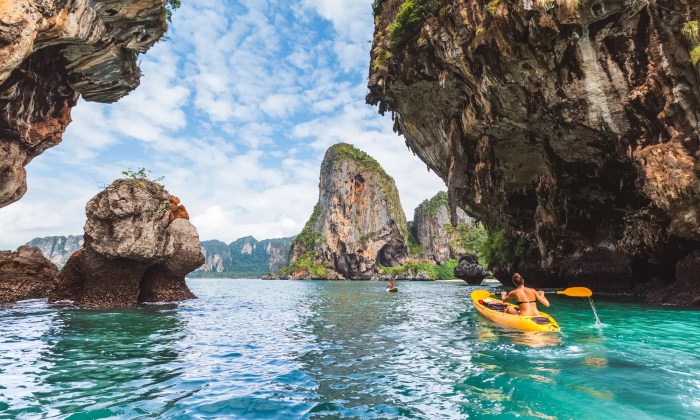
Visiting off-the-beaten-path destinations offers unparalleled opportunities for adventure and cultural immersion. However, the very fragility of these environments and the often-limited infrastructure necessitate a strong commitment to sustainable tourism practices. Responsible travel ensures these unique places remain pristine and thriving for future generations, benefiting both the environment and the local communities that depend on them. This requires conscious effort from every traveler.The importance of sustainable tourism practices in these areas cannot be overstated.
Unsustainable tourism can lead to environmental degradation, resource depletion, cultural commodification, and economic disparities, ultimately harming the very essence of what makes these locations so appealing. By adopting responsible travel habits, we can help mitigate these negative impacts and ensure a positive contribution to the communities and ecosystems we visit.
Eco-Friendly Accommodations and Tour Operators
Several organizations and businesses are dedicated to promoting sustainable tourism in off-the-beaten-path locations. These initiatives prioritize minimizing environmental impact, supporting local economies, and respecting local cultures. For example, eco-lodges often utilize renewable energy sources, implement water conservation measures, and source local materials for construction. Similarly, responsible tour operators prioritize small group sizes to minimize environmental disturbance, employ local guides, and support local businesses through their operations.
Consider, for instance, a community-based ecotourism project in the Amazon rainforest where profits directly benefit indigenous communities through conservation efforts and sustainable development initiatives. Alternatively, a lodge in the Himalayas might use solar power and locally sourced food, employing local staff and contributing to community projects. These are just a few examples of how responsible businesses contribute to sustainable tourism.
Traveler Checklist for Minimizing Environmental Impact
Prior to embarking on your journey, preparation is key to minimizing your environmental footprint. A well-planned trip significantly reduces your impact.
- Pack light: Reducing luggage weight minimizes fuel consumption during transportation.
- Choose sustainable transportation: Opt for public transportation, cycling, or walking whenever possible. If flying is unavoidable, consider carbon offsetting programs.
- Respect wildlife: Maintain a safe distance from animals and avoid feeding them. Support wildlife conservation efforts by choosing tour operators who prioritize animal welfare.
- Reduce waste: Carry a reusable water bottle, shopping bag, and coffee cup. Avoid single-use plastics as much as possible.
- Support local businesses: Patronize locally owned restaurants, shops, and accommodations to contribute directly to the local economy.
- Learn basic local phrases: Showing respect for the local culture through basic language skills demonstrates consideration and enhances your travel experience.
- Leave no trace: Pack out everything you pack in, and dispose of waste responsibly.
- Respect local customs: Be mindful of local traditions and customs, and dress appropriately.
- Be a mindful consumer: Avoid purchasing souvenirs made from endangered species or unsustainable materials.
- Educate yourself: Research the destination’s environmental challenges and cultural sensitivities before your trip.
Exotic Destinations and Cultural Sensitivity
Exploring exotic destinations offers unparalleled opportunities for personal growth and broadening perspectives. However, these unique travel experiences necessitate a profound understanding and respect for the local cultures. Ignoring cultural nuances can lead to misunderstandings, offense, and ultimately, a less enriching and potentially harmful experience for both the traveler and the host community. Cultural sensitivity is paramount for ensuring responsible and ethical travel.Cultural sensitivity involves actively recognizing, understanding, and respecting the values, beliefs, customs, and behaviors of a culture different from your own.
It’s about moving beyond simple tolerance to a genuine appreciation and engagement with the local way of life. This involves actively seeking knowledge about the destination before your trip and continuously adapting your behavior to show respect throughout your journey. Failure to do so can range from minor social faux pas to significantly damaging interactions.
Examples of Appropriate and Inappropriate Behavior
Understanding appropriate behavior requires researching the specific customs of your destination. General guidelines are helpful, but always prioritize learning the specific norms of the place you’re visiting. For example, in many Southeast Asian countries, showing the soles of your feet is considered disrespectful, and you should avoid doing so in temples or when sitting. In some Middle Eastern and African cultures, direct eye contact between genders can be seen as inappropriate, while in other parts of the world, avoiding eye contact might be interpreted as a lack of confidence or honesty.
Conversely, loud conversations or boisterous behavior might be acceptable in some contexts but inappropriate in others, particularly in religious sites or quieter, more traditional areas. Appropriate attire is also crucial; researching local dress codes before your visit is vital to avoid unintentionally causing offense.
Engaging Respectfully with Local Communities and Traditions
Respectful engagement with local communities involves more than just avoiding offensive actions; it requires active participation in a manner that benefits the community. Learning basic phrases in the local language demonstrates effort and respect, facilitating better communication and interaction. Supporting local businesses, such as purchasing handicrafts directly from artisans rather than large tourist shops, helps contribute to the local economy and preserves traditional crafts.
Participating in cultural events respectfully, observing local customs, and being mindful of photography are other ways to show respect. For example, asking permission before taking photographs of individuals, especially in religious settings, is essential. Additionally, being mindful of noise levels, waste disposal, and personal space are all critical elements of responsible and respectful tourism. Remember, your interactions leave a lasting impression; strive to create positive memories for both yourself and the community you’re visiting.
The Allure of Exotic Holiday Destinations
The appeal of exotic holiday destinations lies in their inherent ability to offer experiences far removed from the routine of daily life. These destinations promise a departure from the familiar, a chance to immerse oneself in cultures and environments vastly different from one’s own, fostering a sense of adventure and wonder. This allure is fueled by a deep-seated human desire for novelty and the exploration of the unknown.Exotic destinations offer a potent antidote to the monotony of everyday existence.
The novelty of unfamiliar sights, sounds, and smells stimulates the senses and invigorates the mind, providing a much-needed break from the pressures and predictability of modern life. This escape allows for a refreshing perspective shift, fostering creativity and a renewed appreciation for the simple things.
Psychological and Emotional Benefits of Exploring Unfamiliar Cultures and Environments
Stepping outside one’s comfort zone and engaging with unfamiliar cultures and environments provides significant psychological and emotional benefits. The process of adapting to new surroundings, learning to navigate unfamiliar social customs, and communicating with people from different backgrounds builds resilience and adaptability. Successfully overcoming challenges encountered during travel fosters a sense of accomplishment and self-confidence, bolstering self-esteem and personal growth.
Exposure to diverse perspectives broadens one’s understanding of the world and challenges preconceived notions, leading to increased empathy and tolerance. The reduction of stress and the stimulation of the senses contribute to improved mental well-being and a heightened sense of overall happiness. For example, studies have shown that engaging in novel experiences, such as exploring a new country, can significantly reduce symptoms of depression and anxiety.
Personal Growth and Broadened Perspectives through Exotic Travel
Travel to exotic destinations acts as a powerful catalyst for personal growth. The act of venturing into the unknown, navigating unfamiliar territories, and interacting with diverse cultures pushes individuals beyond their comfort zones, fostering adaptability and resilience. Exposure to different perspectives and ways of life challenges existing beliefs and assumptions, leading to a more nuanced and comprehensive understanding of the world.
The challenges encountered during travel, from language barriers to cultural misunderstandings, require problem-solving skills and resourcefulness, fostering self-reliance and independence. Furthermore, the experience of immersion in a new culture allows for a deeper understanding of oneself, one’s values, and one’s place in the wider world. For instance, volunteering in a remote community can provide a profound sense of purpose and connection, shifting perspectives and fostering a greater appreciation for different lifestyles.
Ultimately, venturing off the beaten path unveils a world of unparalleled experiences. From the thrill of exploring hidden waterfalls to the profound connection forged with local cultures, these journeys enrich our understanding of the world and ourselves. By embracing sustainable practices and respectful engagement, we can ensure these extraordinary destinations remain preserved for generations to come, continuing to inspire adventurous spirits to seek the extraordinary.
FAQ Explained
What are the safety concerns of traveling to remote locations?
Safety is paramount. Thorough research is crucial, including understanding local laws, potential health risks, and emergency contact information. Consider travel insurance and inform someone of your itinerary.
How do I find eco-friendly accommodations in remote areas?
Look for certifications like LEED or Green Globe. Websites specializing in sustainable tourism often feature listings. Contact local tourism boards for recommendations.
What vaccinations are recommended for off-the-beaten-path travel?
Consult your doctor well in advance of your trip. Required vaccinations vary widely depending on the destination. Allow ample time for necessary shots.
How much does an off-the-beaten-path trip typically cost?
Costs vary dramatically depending on the destination, length of stay, and activities. Budgeting requires careful consideration of flights, accommodation, activities, and visas.


