
Escape the tourist throngs and discover the allure of off-the-beaten-path exotic travel. This journey unveils destinations untouched by mass tourism, where unique cultures thrive and breathtaking landscapes remain pristine. We’ll explore lesser-known regions, emphasizing responsible exploration and cultural sensitivity, equipping you with the knowledge to plan your own unforgettable adventure.
From navigating visa requirements and health precautions to understanding local customs and minimizing environmental impact, this guide provides a comprehensive framework for planning a safe and enriching experience. We will delve into the practicalities of off-the-beaten-path travel, highlighting the rewards and challenges inherent in venturing beyond the well-trodden tourist trails. Prepare to be captivated by the raw beauty and authentic encounters that await.
Cultural Immersion in Exotic Destinations
Respectful cultural immersion is paramount when exploring off-the-beaten-path destinations. It’s not just about seeing new sights; it’s about understanding and appreciating the lives and traditions of the people who call these places home. A truly enriching travel experience hinges on acknowledging and respecting the local culture, ensuring that your visit leaves a positive impact rather than a disruptive one.
This requires a mindful approach, an open heart, and a commitment to learning and adapting.Engaging with local cultures responsibly requires careful consideration of our actions and interactions. Failure to do so can lead to unintentional offense and even damage to the very communities we are hoping to experience. Understanding and respecting local customs and traditions is not merely polite; it is essential for fostering positive relationships and contributing to the sustainability of these unique destinations.
Culturally Sensitive Travel Practices and Etiquette
Respectful travel involves a multitude of small actions that collectively demonstrate consideration for the local culture. This includes learning basic phrases in the local language – even a simple “hello” and “thank you” can go a long way in showing respect. Dressing modestly, particularly when visiting religious sites or more conservative areas, is another crucial aspect of showing cultural sensitivity.
It’s important to research appropriate attire beforehand. Additionally, seeking permission before taking photographs, especially of individuals, demonstrates respect for their privacy and dignity. Remember that in many cultures, direct eye contact can be interpreted differently than in Western cultures; being aware of this nuance can prevent misunderstandings. Finally, being mindful of noise levels and avoiding disruptive behavior in public spaces demonstrates consideration for the community.
Activities Promoting Genuine Cultural Exchange
Participating in activities that promote genuine cultural exchange is a far more enriching experience than simply observing from afar. This involves actively engaging with the local community in a respectful and meaningful way.
- Taking a cooking class featuring traditional local cuisine allows for hands-on participation in a culturally significant activity while also supporting local businesses.
- Attending local festivals and celebrations provides a firsthand glimpse into the vibrant cultural life of the community, fostering a deeper understanding of their traditions and values. This often involves respectful observation and participation in appropriate ways.
- Visiting local markets and interacting with vendors not only allows for the purchase of unique souvenirs but also provides opportunities to learn about local crafts and practices. This should always be done respectfully, avoiding haggling in a manner that could be perceived as offensive.
- Staying in locally owned guesthouses or homestays offers an immersive experience that goes beyond typical tourist accommodations. This provides opportunities for direct interaction with locals, learning about their daily lives, and supporting local economies directly.
- Participating in community-based tourism initiatives, such as volunteering at a local project or supporting a community-owned business, allows for a more meaningful and sustainable form of engagement, contributing positively to the local economy and community well-being. This often involves working alongside locals, learning from their expertise, and making lasting connections.
Sustainable and Responsible Tourism Practices
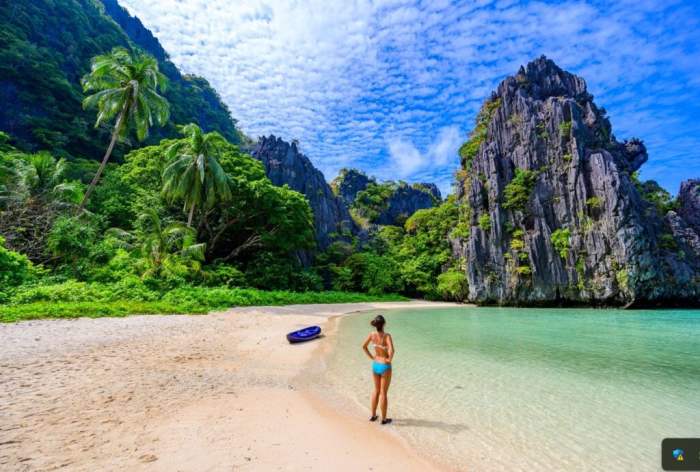
The allure of off-the-beaten-path destinations often lies in their unspoiled beauty and unique cultures. However, the very factors that make these locations attractive also render them vulnerable to the negative impacts of tourism. Sustainable tourism practices are crucial for ensuring these fragile environments and communities thrive, rather than suffer, from the influx of visitors. Responsible travel safeguards the integrity of these unique places for future generations and ensures a positive experience for both travelers and locals.Sustainable tourism in off-the-beaten-path locations is paramount to preserving their ecological integrity and the well-being of local communities.
Uncontrolled tourism can lead to environmental degradation, resource depletion, cultural commodification, and economic disparities. By adopting sustainable practices, travelers can minimize their footprint and contribute to the long-term preservation of these precious destinations. This includes protecting biodiversity, reducing pollution, and respecting local customs and traditions. The economic benefits of tourism should also be equitably distributed, empowering local communities and ensuring their involvement in decision-making processes related to tourism development.
Minimizing Environmental Impact
Reducing environmental impact requires a multi-faceted approach. This involves choosing eco-friendly accommodations that prioritize energy efficiency, water conservation, and waste reduction. Travelers should opt for sustainable transportation options, such as walking, cycling, or using public transport, whenever possible. Minimizing plastic consumption by using reusable water bottles and avoiding single-use plastics is also essential. Respecting wildlife and natural habitats is crucial; avoiding activities that disturb animals or damage ecosystems is paramount.
Supporting businesses committed to environmental sustainability further reinforces responsible travel practices. For example, choosing locally sourced food reduces the carbon footprint associated with transportation and supports local farmers.
Supporting Local Communities
Supporting local communities is a cornerstone of responsible tourism. This involves choosing locally owned businesses, such as guesthouses, restaurants, and tour operators, over large international corporations. Engaging with local guides provides valuable insights into the culture and history of the region while directly benefiting the community. Purchasing locally made handicrafts and souvenirs supports local artisans and their traditional skills.
Respecting local customs and traditions, including dressing modestly and learning a few basic phrases in the local language, demonstrates cultural sensitivity and fosters positive interactions. Finally, being mindful of one’s spending habits and ensuring that economic benefits reach the local community directly contributes to sustainable and equitable tourism development.
Resources for Responsible Travel
Several organizations and resources promote responsible travel in exotic destinations. These entities provide guidance, certifications, and information on sustainable practices.
- The Global Sustainable Tourism Council (GSTC): The GSTC develops and promotes criteria for sustainable tourism, offering a framework for businesses and destinations to adopt responsible practices. They provide guidelines on environmental protection, social responsibility, and economic viability.
- Responsible Travel: This organization offers advice and resources for travelers who wish to minimize their impact and maximize their positive contribution. They feature articles, guides, and a directory of responsible tour operators.
- Green Globe: Green Globe is a leading certification program for sustainable tourism businesses. Their standards cover a wide range of environmental and social criteria, ensuring that certified businesses meet high standards of sustainability.
Practical Considerations for Exotic Holiday Destinations
Planning a trip to a remote and exotic location requires meticulous preparation to ensure a safe and enriching experience. This goes beyond simply booking flights and accommodation; it involves understanding the unique challenges and opportunities presented by these less-traveled destinations. Careful consideration of visa requirements, health precautions, and cultural nuances will significantly enhance your journey and minimize potential setbacks.
Visa Requirements and Entry Procedures
Securing the necessary travel documents is paramount. Visa requirements vary drastically depending on your nationality and your destination. Some countries offer visa-on-arrival options, while others require pre-arranged visas, sometimes with specific supporting documentation. It’s crucial to check the official website of the destination country’s embassy or consulate well in advance of your trip. Allow ample time for processing, as visa applications can take several weeks or even months.
For example, obtaining a visa for Bhutan involves a pre-arranged tour package, whereas many Southeast Asian countries offer relatively straightforward visa applications online. Failing to secure the correct visa can lead to significant delays or even prevent your entry into the country.
Health Precautions and Travel Insurance
Protecting your health is vital when venturing into less-developed regions. Consult your doctor well in advance to discuss necessary vaccinations and recommended preventative measures. Some destinations may require specific vaccinations against diseases like yellow fever or typhoid. Moreover, consider the potential for insect-borne illnesses like malaria and take appropriate precautions such as using mosquito repellent and anti-malarial medication, as prescribed by a medical professional.
Comprehensive travel insurance is essential, covering medical emergencies, evacuation, and lost belongings. Policies should be tailored to the specific risks associated with your chosen destination, and it’s recommended to review policy details carefully to ensure appropriate coverage.
Researching Local Laws and Customs
Understanding and respecting local laws and customs is crucial for a positive travel experience. Researching cultural norms and etiquette can prevent unintentional offenses and ensure smoother interactions with locals. For example, dress codes, religious practices, and social interactions may differ significantly from your home country. Familiarizing yourself with these aspects before your trip will allow you to navigate unfamiliar situations with greater sensitivity and respect.
The penalties for violating local laws can be severe, ranging from fines to imprisonment, depending on the severity of the offense. It is important to note that access to legal assistance in remote locations can be limited.
Step-by-Step Guide for Preparing for an Exotic Holiday
Preparing for an exotic holiday involves a systematic approach to minimize unforeseen challenges. First, conduct thorough research on your destination, focusing on practical aspects like transportation, accommodation options, and potential safety concerns. Second, create a detailed packing list tailored to the climate and activities planned. This list should include appropriate clothing, footwear, essential medications, a first-aid kit, and any necessary adapters for electronic devices.
Third, establish a reliable communication plan, considering the availability of mobile network coverage and internet access in your destination. This might involve purchasing a local SIM card, informing friends and family of your itinerary, and establishing a regular check-in schedule. Finally, confirm all bookings, including flights, accommodation, and any pre-arranged tours or activities, to avoid unexpected disruptions.
Exotic Destinations
Exploring off-the-beaten-path locations offers a unique opportunity to connect with the raw beauty and cultural richness of our planet. These destinations, often untouched by mass tourism, provide an immersive experience that goes beyond typical holiday snapshots. They allow travelers to truly engage with the local environment and people, fostering a deeper appreciation for the world’s diversity.
Exotic Destinations: Visual Representations
The visual appeal of exotic destinations is multifaceted, engaging multiple senses and leaving lasting impressions. Three distinct locations illustrate this vividly.The first location is the Socotra archipelago, off the coast of Yemen. Imagine a landscape sculpted by millennia of wind and sun, where dragon’s blood trees, their branches gnarled and reaching skyward like ancient arms, dominate the scenery.
The air is thick with the scent of incense-like resins from these unique trees, mingling with the salty tang of the sea breeze. The textures are rough – the coarse sand underfoot, the leathery bark of the trees, the sharp edges of the weathered rocks. The sounds are a symphony of wind whistling through the trees, the cries of exotic birds, and the gentle lapping of waves against the shore.
The overall effect is one of otherworldly beauty, a landscape seemingly plucked from a fantasy novel. This visual uniqueness contributes to its appeal, offering a stark contrast to the familiar and a feeling of discovery.The second location is the rice terraces of Banaue in the Philippines. Picture cascading emerald steps carved into the mountainside, a breathtaking panorama that stretches as far as the eye can see.
The air is cool and damp, carrying the earthy scent of wet soil and the sweet fragrance of rice plants. The sounds are predominantly natural: the gentle rush of water flowing through irrigation channels, the chirping of crickets, and the distant calls of farmers. The textures are varied – the smooth, cool surface of the polished rice paddies, the rough texture of the stone walls that support them, and the soft earth underfoot.
The visual impact of this carefully crafted landscape, a testament to human ingenuity and harmony with nature, is both stunning and humbling. This harmonious blend of human effort and natural beauty greatly enhances the destination’s appeal.Finally, consider the Salar de Uyuni in Bolivia, the world’s largest salt flat. Envision a boundless expanse of blinding white, stretching to the horizon, reflecting the sky in a surreal mirror image.
The air is crisp and dry, with a faint taste of salt on the tongue. The sounds are minimal, the silence broken only by the wind whispering across the vast plain. The textures are surprisingly varied – the crunchy, crystalline texture of the salt underfoot, the soft, powdery consistency of the salt crust in certain areas. The visual impact of this unique landscape is overwhelming, a place where the boundaries between earth and sky seem to dissolve.
The immense scale and otherworldly beauty of the salt flat contribute significantly to its appeal, creating a truly unforgettable experience. The stark beauty and unusual environment make it a unique and sought-after destination.
Comparing Exotic Destinations and Popular Tourist Spots
Choosing between an exotic, off-the-beaten-path destination and a popular tourist hotspot involves weighing several factors. The experience, cost, accessibility, and overall impact on both the traveler and the environment differ significantly. This comparison highlights the advantages and disadvantages of each, helping potential travelers make informed decisions based on their individual preferences and priorities.The core difference lies in the level of development and accessibility.
Popular tourist spots, by definition, are well-established, offering a wide range of services and amenities, while exotic destinations often lack this infrastructure. This affects the overall travel experience, creating distinct advantages and disadvantages for different traveler profiles.
Cost Comparison: Exotic vs. Popular Destinations
Popular tourist destinations often have higher accommodation and activity costs due to high demand and established businesses. Exotic destinations, conversely, can be more affordable, especially if you embrace more budget-friendly travel styles such as homestays or local transportation. However, the cost of reaching remote locations, including flights to smaller airports and potentially internal travel, might offset some of these savings.
For example, a trip to a popular European capital like Paris will likely be more expensive in terms of accommodation and dining than a trip to a remote village in Nepal, although the cost of getting to Nepal might be higher initially.
Accessibility and Infrastructure: A Tale of Two Travels
Popular tourist spots boast excellent infrastructure, including readily available transportation, clear signage, and numerous services catering to tourists. Exotic destinations, on the other hand, often lack this infrastructure, demanding more self-reliance and adaptability from travelers. Navigating these locations might require more planning, local language skills, or reliance on local guides. Imagine the difference between easily navigating the well-marked streets of Rome compared to trekking through the mountainous regions of Bhutan – one requires little planning, the other extensive preparation.
Authenticity of Experience: Immersion vs. Tourist Traps
Popular tourist destinations, while offering convenience, often present a more curated and less authentic experience. The focus is on catering to tourist expectations, potentially leading to a diluted cultural experience. Exotic destinations, conversely, provide a greater opportunity for genuine cultural immersion, allowing travelers to connect with local communities and experience traditions less impacted by tourism. Consider the difference between a staged cultural performance in a heavily touristic area compared to participating in a local festival in a remote village in Southeast Asia – the latter offers a far more authentic glimpse into the local culture.
Environmental Impact: The Footprint of Travel
The environmental impact of tourism varies significantly between popular and exotic destinations. Popular tourist hotspots often face issues like over-tourism, pollution, and habitat destruction due to the sheer volume of visitors. Exotic destinations, while less impacted overall, can still suffer from unsustainable tourism practices if not managed responsibly. For example, the mass tourism in popular beach destinations contributes significantly to coastal erosion and pollution, whereas less-visited destinations might be more vulnerable to damage from irresponsible tourist behavior if not properly managed.
Sustainable tourism practices are crucial regardless of the destination, but their implementation and enforcement are often more robust in popular destinations.
Safety and Security in Exotic Holiday Destinations
Venturing off the beaten path to exotic locales promises unparalleled experiences, but it also presents unique safety and security challenges. These destinations often lack the robust infrastructure and emergency services found in more developed tourist areas, requiring travelers to be proactive and well-prepared. Understanding potential risks and implementing appropriate mitigation strategies is crucial for a safe and enjoyable trip.
Off-the-beaten-path travel inherently carries higher risks than visiting established tourist hubs. Remote locations may have limited access to medical care, reliable communication networks, and law enforcement. Political instability, crime rates, and natural disasters are all factors that can significantly impact safety. The lack of readily available information and support networks adds another layer of complexity. Furthermore, cultural differences and language barriers can create misunderstandings and increase the potential for unforeseen difficulties.
Personal Safety Strategies
Prioritizing personal safety involves a multi-faceted approach. This includes being aware of your surroundings at all times, avoiding risky situations, and taking precautions to protect yourself from theft and assault. Travelers should avoid displaying expensive jewelry or electronics, and be cautious about sharing personal information. Sticking to well-lit and populated areas, especially at night, is also advisable.
Learning basic phrases in the local language can greatly improve communication and potentially diffuse tense situations. Consider registering your travel plans with your embassy or consulate, providing them with contact information and itinerary details.
Emergency Preparedness
Comprehensive emergency preparedness is essential. Before departure, travelers should obtain necessary travel insurance that covers medical emergencies, evacuations, and lost belongings. It’s crucial to pack a well-stocked first-aid kit containing essential medications and supplies. Familiarize yourself with local emergency numbers and protocols. Consider carrying a personal locator beacon (PLB) or satellite messenger for communication in areas with limited or no cell service.
A photocopy of your passport and other important documents should be kept separately from the originals. Informing trusted contacts of your itinerary and expected return date is also a prudent measure.
Responsible Travel Behavior
Responsible travel behavior significantly contributes to personal safety and the well-being of the local community. Respecting local customs and traditions is paramount. This includes dressing modestly in culturally sensitive areas and being mindful of local etiquette. Supporting local businesses and engaging in ethical tourism practices fosters positive relationships with the community and can indirectly enhance personal safety.
Avoiding activities that could be perceived as disrespectful or intrusive helps to minimize potential conflicts. Furthermore, refraining from engaging in illegal activities, such as drug use or purchasing illegal goods, is crucial for personal safety and legal compliance.
Staying Informed About Local Conditions
Staying informed about local conditions and potential hazards is paramount before and during your trip. Consult travel advisories issued by your government and reputable travel organizations. Research the specific region you plan to visit, paying attention to any current events, health advisories, or safety concerns. Engage with local communities and guides to gain insights into potential risks and appropriate behavior.
Monitor news reports and weather forecasts regularly to stay updated on any developing situations that might affect your safety. This proactive approach will allow you to make informed decisions and adapt your plans as needed.
Embarking on off-the-beaten-path adventures offers unparalleled opportunities for personal growth and cultural understanding. While demanding careful planning and respect for local traditions, the rewards—unforgettable experiences, breathtaking landscapes, and genuine human connections—far outweigh the challenges. By embracing sustainable practices and prioritizing responsible travel, we can ensure these unique destinations remain preserved for generations to come. So, dare to explore the unknown; your next extraordinary journey awaits.
Answers to Common Questions
What is the best time of year to visit off-the-beaten-path locations?
The ideal time varies greatly depending on the specific location’s climate and weather patterns. Research the destination’s seasonal variations before you go.
How do I find reliable local guides?
Look for recommendations from other travelers online or through travel agencies specializing in sustainable tourism. Check reviews and credentials carefully.
What are some essential phrases to learn before traveling?
Learning basic greetings, “thank you,” and “please” in the local language goes a long way in showing respect and facilitating communication.
What about communication when there’s no internet access?
Consider purchasing a local SIM card or investing in a satellite phone for emergencies, especially in remote areas.
How can I support local communities during my trip?
Stay in locally owned accommodations, eat at local restaurants, purchase souvenirs from local artisans, and participate in community-based tourism activities.


